





 Important Notice:
The official SPACERAISE 2026 rankings have been released.
The ranking lists are now available and can be accessed at the following link:
👉 https://spaceraise.academy/rankings-2026/
Please review your status carefully and check the week-specific admission results.
PROJECT
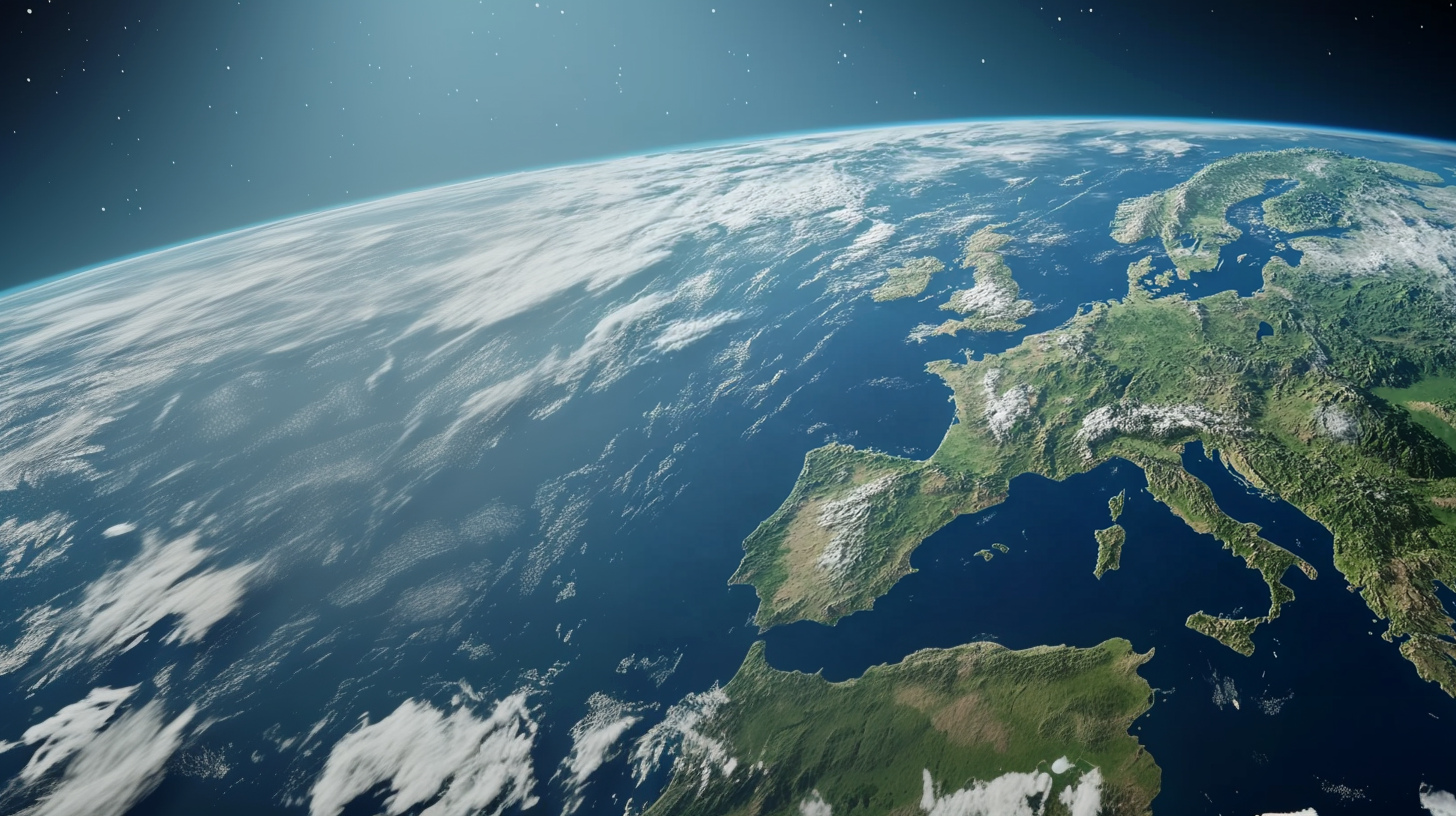
SPACERAISE consists of an intensive training program with a high technological and scientific content aimed at young talents who want to understand the major challenges in the field of space, geospatial analysis, and acquire new skills in the areas of Artificial Intelligence, Robotics, and Geospatial and quantitative analysis for space and geospatial applications. The program aims to deliver advanced and specialised training to meet the emerging needs in these sectors. It will use a multidisciplinary approach that integrates basic research from the Computer Science and Social Science areas at GSSI, insights from prestigious international faculty, and real-world industrial applications. The program includes the implementation of three intensive doctoral schools, structured into three distinct specialisation modules, covering current and relevant challenges, typically in the space domain.
COURSES
Each specialization course is designed to last no longer than one week. Additionally, the program ensures a focused and personalized approach that fosters meaningful interactions between participants and instructors. This allows for greater individual attention and deeper learning opportunities.
All courses are taught entirely in English. A good command of the English language is therefore required to attend the program.
The Doctoral School is open to the following profiles:
Master's students
PhD students
Researchers
Industry professionals
This structure aims to create a dynamic and interdisciplinary learning environment, encouraging the exchange of ideas and experiences among participants from diverse backgrounds and career stages.
Participants can also enroll in individual courses. Enrollment in even just one of the courses grants the certificate of participation in the SPACERAISE doctoral school.
Geospatial Data and Quantitative Analysis in Social Science
Week #3 | Monday, May 18 → Friday, May 22 | Auditorium - Palazzo del Rettorato, GSSI.
This module provides lectures on cutting-edge research and hands-on training in analysing geo-observational and sensor data for economic and geographic research, with applications to social science questions, including disaster response, urban development, land-use, and migration patterns.
The course schedules are in the process of being finalized and are subject to minor changes.
May 18, 2026
| 08:30 - 10:00 | Registration | |
| 10:00 - 10:30 | Coffee break | |
| 10:30 - 12:00 | Understanding cities with new forms of dataDani Arribas-Bel University of Liverpool | |
| 12:00 - 14:00 | Lunch break | |
| 14:00 - 15:30 | Image Data in Urban Economics- Stephan Heblich (Toronto Univ)Stephan Heblich University of Toronto | |
| 15:30 - 16:00 | Coffee break | |
| 16:00 - 17:30 | Geo data lab (theme: Cities)Andrea Nasuto University of Liverpool |
May 19, 2026
| 08:30 - 10:00 | Triangulated data methods of traditional and digital non-traditional data to understand man-made disastersElisabetta Pietrostefani University of Liverpool | |
| 10:00 - 10:30 | Coffee break | |
| 10:30 - 12:00 | Geo-observational data to improve resilience to floodsSally Priest Middlesex University | |
| 12:00 - 14:00 | Lunch break | |
| 14:00 - 15:30 | Geo data lab (theme: Man-made disasters)Andrea Nasuto University of Liverpool | |
| 15:30 - 16:00 | Coffee break | |
| 16:00 - 17:30 | Geo data lab (theme: Natural disasters)Christophe Viavattene Middlesex University |
May 20, 2026
| 08:30 - 10:00 | Data co-production at scale in the era of AIDana Thomson Columbia Univ | |
| 10:00 - 10:30 | Coffee break | |
| 10:30 - 12:00 | Pixels Aren’t Places: Using Satellite Imagery to Answer Questions About Human Experiences - Rachel Franklin (Harvard Univ) | |
| 12:00 - 14:00 | Lunch break | |
| 14:00 - 15:30 | Using earth observation data to study drought, irrigation and migration in West AfricaKatrin Millock Paris School of Economics | |
| 15:30 - 16:00 | Coffee break | |
| 16:00 - 17:30 | Geo data lab (theme: map informal settlements in the Global South)Bedru Tareke University of Twente | |
| 18:00 - 20:00 | Networking Session: "Cacao Connect" - Chocolate-Themed Sensory Workshop - Maria Beatrice Rosa (Cacao Motum) | |
| 20:00 - 22:00 | Dinner |
May 21, 2026
| 08:30 - 10:00 | Spatial data and the societal costs of armed conflict Andreas Forø Tollefsen (Olso University & Peace Reseach Institute)Andreas Forø Tollefsen University of Oslo | |
| 10:00 - 10:30 | Coffee break | |
| 10:30 - 12:00 | Land use data and urban developmentMichiel N. Daams University of Groningen | |
| 12:00 - 14:00 | Lunch break | |
| 14:30 - 19:00 | Excursion to Bominaco and Santo Stefano di Sessanio | |
| 19:30 - 22:30 | Social Dinner - Magione Papale (Reachable by bus) |
May 22, 2026
| 08:30 - 10:00 | Using spatial data to research environmental shocks in development economicsJuan Pablo Rud Royal Holloway | |
| 10:00 - 10:30 | Coffee break | |
| 10:30 - 12:00 | Remote sensing data and the hidden geographies in the Global SouthMonika Kuffer University of Twente | |
| 12:00 - 14:00 | Lunch break | |
| 14:00 - 14:40 | Geo-observational data application in policy designLewis Dijkstra European Commission | |
| 15:00 - 16:00 | Policy RoundtableLewis Dijkstra European Commission, Simona Iammarino GSSI, Paolo Veneri GSSI, Andrea Taramelli IUSS | |
| 16:00 - 17:30 | Conference wrap up |
Artificial Intelligence for Space
Week #2 | Monday, May 11 → Friday, May 15 | Auditorium - Palazzo del Rettorato, GSSI.
This module will discuss the use of Artificial Intelligence onboard satellites, addressing issues related to safety, and software certification in compliance with safety standards. Examples of AI applications that will be covered include predictive maintenance, image recognition, anomaly detection, remote sensing, and more.
The course schedules are in the process of being finalized and are subject to minor changes.
May 11, 2026
| 08:30 - 10:00 | Space-Based Astroparticle Physics at GSSI: Experiments, Challenges, and the Role of AIIvan De Mitri GSSI | |
| 10:00 - 10:30 | Coffee break | |
| 10:30 - 12:00 | Trustworthiness and explainability in AI for Space applicationArturo Intelisano Thales Alenia Space Italia | |
| 12:00 - 14:30 | Lunch break | |
| 14:30 - 16:00 | Other worlds in the cosmos? The search for planets like our Earth and ... perhaps harbouring Life!Michel Mayor Geneva University | |
| 16:00 - 16:30 | Coffee break | |
| 16:30 - 18:00 | AI & ML for Space Application: Software Quality Assurance challenges and proposalsGianluca Caruso Thales Alenia Space Italia, Ester Maio Thales Alenia Space Italia, Luigi De Candia Thales Alenia Space Italia |
May 12, 2026
| 08:30 - 10:00 | Introduction to AI in Space Safety and SustainabilityFederica Paganelli Aiko Space, Francesco Evangelisti Aiko Space, Giorgio Saffirio Aiko Space | |
| 10:00 - 10:30 | Coffee break | |
| 10:30 - 12:00 | Applying AI to Mission Design: Working GroupsFederica Paganelli Aiko Space, Francesco Evangelisti Aiko Space, Giorgio Saffirio Aiko Space | |
| 12:00 - 14:00 | Lunch break | |
| 16:00 - 20:00 | Social Event - Discover L’Aquila: City Walk, MUNDA Visit and Networking | |
| 20:00 - 23:00 | Dinner at the Rever Restourant |
May 13, 2026
| 08:30 - 10:00 | Distretto Spaziale Abruzzese | |
| 10:00 - 10:30 | Coffee break | |
| 10:30 - 12:00 | Ing. Roberto Carattoli - Telespazio | |
| 12:00 - 14:00 | Lunch break | |
| 14:00 - 15:30 | AI-enabled synergy, between satellite technologies and automotive for cooperative, connected, and automated mobilityFortunato Santucci University of L'Aquila, Alessandro D’Innocenzo University of L'Aquila, Francesco Valentini University of L'Aquila | |
| 15:30 - 16:00 | Coffee break | |
| 16:00 - 17:30 | Artificial Intelligence in Aerospace: From Evaluation Methods to Certification ChallengesAlberto Petrucci Thales Alenia Space Italia | |
| 18:00 - 20:00 | Networking Session: "Cacao Connect" - Chocolate-Themed Sensory Workshop - Maria Beatrice Rosa (Cacao Motum) | |
| 20:00 - 22:00 | Dinner |
May 14, 2026
| 08:30 - 10:00 | The Emergence of Constellations: Motivations and Implications of a Paradigm ShiftGuido Levrini ESA | |
| 10:00 - 10:30 | Coffee break | |
| 10:30 - 12:00 | From Internal Innovation to In-Orbit Servicing: D-Orbit’s Vision for the Next Space EconomyMarco Giannini D-ORBIT, Marco Mangialardo D-ORBIT | |
| 12:00 - 14:00 | Lunch break | |
| 14:00 - 15:30 | Space economics, key facts and concepts (from remote)Pierre Lionnet Eurospace | |
| 15:30 - 16:00 | Coffee break | |
| 16:00 - 17:30 | A deep dive into time series anomaly detection evaluation measuresPaul Boniol University of Paris-Descartes |
May 15, 2026
| 08:30 - 10:00 | Using edge-AI in GNSS-R nano-satellites to provide precise flood monitoringGuillaume Brat ex-NASA | |
| 10:00 - 10:30 | Coffee break | |
| 10:30 - 12:00 | Use of high-resolution remote sensing data for mapping the extent of water reservoirs and flooded areas: basic principles and applicationsGiusy Cappelluti Fondazione CIMA, Luca Pulvirenti Fondazione CIMA | |
| 12:00 - 14:00 | Lunch break | |
| 14:00 - 15:30 | AI and the infinite: the intersection of AI and Space venturesElena Grifoni Winters GSSI | |
| 15:30 - 16:00 | Coffee break | |
| 16:00 - 17:30 | Distributed Architectures and On Board Functionalities for Next Generation Space MissionsAngelo De Angelis Telespazio |
Robotics for Space
Week #1 | Monday, May 4 → Friday, May 8 | Auditorium - Palazzo del Rettorato, GSSI.
This module will discuss aspects of programming and safety strategies for space exploration robots. Additionally, use cases of robots in space will be considered, both for exploration and for maintenance.
The course schedules are in the process of being finalized and are subject to minor changes.
May 4, 2026
| 09:30 - 10:00 | Reception for Authorities | |
| 10:00 - 12:45 | Inauguration Ceremony | |
| 12:45 - 13:30 | Keynote Speech – The use of artificial intelligence in earth observationSimonetta Cheli ESA | |
| 13:30 - 14:30 | Lunch break | |
| 14:30 - 16:00 | Multi-agent Task Allocation applied to Earth Observation and Multi-Robot ExplorationGauthier Picard ONERA | |
| 16:00 - 16:30 | Coffee break | |
| 16:30 - 18:00 | From ROS to SpaceROSRicardo Caldas GSSI, Gianluca Filippone GSSI, Sara Pettinari GSSI, Keila Lima GSSI |
May 5, 2026
| 08:30 - 10:00 | SPACERAISE Academy | Rover Systems LabGianluca Filippone GSSI, Keila Lima GSSI, Sara Pettinari GSSI, Ricardo Caldas GSSI, Daniele Masti GSSI, Davide Tullio Modular Radar Systems, Michael Heeney Middlesex University | |
| 10:00 - 10:30 | Coffee break | |
| 10:30 - 12:00 | SPACERAISE Academy | Rover Systems LabGianluca Filippone GSSI, Keila Lima GSSI, Sara Pettinari GSSI, Ricardo Caldas GSSI, Daniele Masti GSSI, Davide Tullio Modular Radar Systems, Michael Heeney Middlesex University | |
| 12:00 - 14:00 | Lunch break | |
| 14:00 - 15:30 | SPACERAISE Academy | Rover Systems LabGianluca Filippone GSSI, Keila Lima GSSI, Sara Pettinari GSSI, Ricardo Caldas GSSI, Daniele Masti GSSI, Davide Tullio Modular Radar Systems, Michael Heeney Middlesex University | |
| 15:30 - 16:00 | Coffee break | |
| 16:00 - 17:30 | SPACERAISE Academy | Rover Systems LabGianluca Filippone GSSI, Keila Lima GSSI, Sara Pettinari GSSI, Ricardo Caldas GSSI, Daniele Masti GSSI, Davide Tullio Modular Radar Systems, Michael Heeney Middlesex University |
May 6, 2026
| 08:30 - 10:00 | Service-Oriented Hardware Integration for Digital TwinsMichael Heeney Middlesex University | |
| 10:00 - 10:30 | Coffee break | |
| 10:30 - 12:00 | Resilient Robotics for Space: Verifying, Testing, and Adapting Beyond EarthRicardo Caldas GSSI | |
| 12:00 - 14:00 | Lunch break | |
| 14:00 - 20:00 | Social Event - Discover L’Aquila: City Walk, MUNDA Visit and Networking |
May 7, 2026
| 08:30 - 10:00 | Smart Factory for Space: Vision, Mission and Enabling InfrastructuresGiovanni Campolo Thales Alenia Space Italia | |
| 10:00 - 10:30 | Coffee break | |
| 10:30 - 12:00 | Prometheus - A flexible robotic system for automating assembly in satellite productionEdoardo Frattini TAS-I, Enrico Piccinini EGICON | |
| 12:00 - 14:00 | Lunch break | |
| 14:00 - 14:45 | Beyond the Case Study: Human-Robot Interaction and Digital ManufacturingAlessandro De Luca Sapienza University of Rome, Mattia Castelmare Sapienza University of Rome | |
| 14:45 - 15:30 | DREAM - Democratization of Robot Engineering for Advanced ManufacturingPatrizio Pelliccione GSSI, Amleto Di Salle GSSI | |
| 18:00 - 20:00 | Networking Session: "Cacao Connect" - Chocolate-Themed Sensory Workshop - Maria Beatrice Rosa (Cacao Motum) | |
| 20:00 - 22:00 | Dinner |
May 8, 2026
| 08:30 - 10:00 | Mechatronics and Robotics Solutions for In-orbit OperationsLuca Rossini Istituto Italiano di Tecnologia (IIT), Nikos Tsagarakis Istituto Italiano di Tecnologia (IIT) | |
| 10:00 - 10:30 | Coffee break | |
| 10:30 - 12:00 | Safe software engineering for robotics from simulation modelsPedro Ribeiro University of York | |
| 12:00 - 14:00 | Lunch break | |
| 14:00 - 15:30 | Taxonomy of Data-Driven ControlDaniele Masti GSSI |
SPEAKERS
Our lecturers are recognized experts in the topics of the three modules with exceptional teaching abilities. The SPACERAISE program offers a well-balanced mix of academic and industrial contributions. The academic lecturers will present overviews of their research areas, covering the state of the art and highlighting emerging trends and challenges. The industrial lecturers will focus on practical applications in industrial contexts, sharing the results achieved in real-world scenarios.

Dani Arribas-Bel- University of Liverpool
- University of Liverpool
Paul Boniol- University of Paris-Descartes
- University of Paris-Descartes
Guillaume Brat- ex-NASA
- ex-NASA
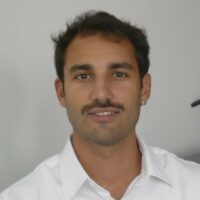
Ricardo Caldas- GSSI
- GSSI
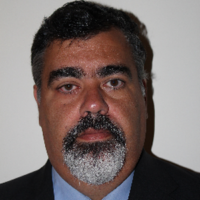
Giovanni Campolo- Thales Alenia Space Italia
- Thales Alenia Space Italia
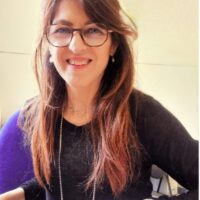
Giusy Cappelluti- Fondazione CIMA
- Fondazione CIMA
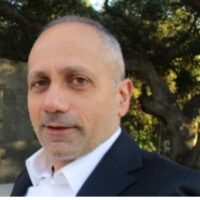
Gianluca Caruso- Thales Alenia Space Italia
- Thales Alenia Space Italia
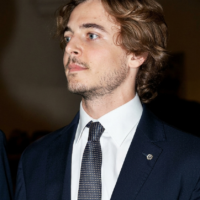
Mattia Castelmare- Sapienza University of Rome
- Sapienza University of Rome
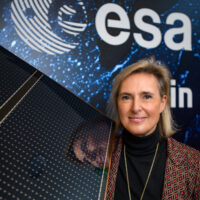
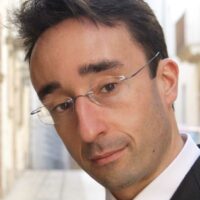
Alessandro D’Innocenzo- University of L'Aquila
- University of L'Aquila
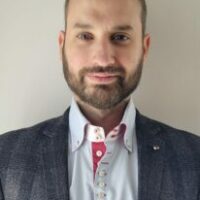
Andrea Danieli- Telespazio
- Telespazio
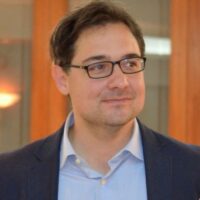
Angelo De Angelis- Telespazio
- Telespazio
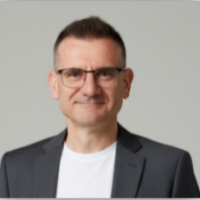
Luigi De Candia- Thales Alenia Space Italia
- Thales Alenia Space Italia
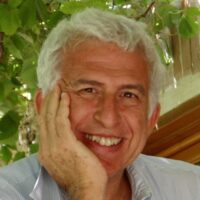
Alessandro De Luca- Sapienza University of Rome
- Sapienza University of Rome
Ivan De Mitri- GSSI
- GSSI
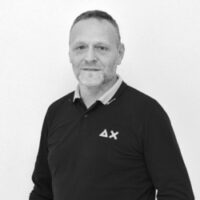
Amleto Di Salle- GSSI
- GSSI

Lewis Dijkstra- European Commission
- European Commission

Francesco Evangelisti- Aiko Space
- Aiko Space
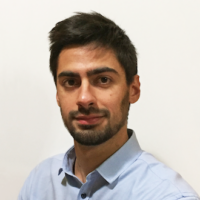
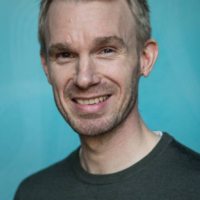
Andreas Forø Tollefsen- University of Oslo
- University of Oslo

Rachel Frankiln- Harvard University
- Harvard University
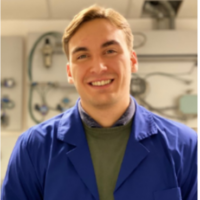
Edoardo Frattini- TAS-I
- TAS-I
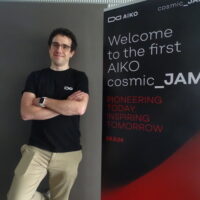
Tobia Giani- Aiko Space
- Aiko Space

Marco Giannini- D-ORBIT
- D-ORBIT

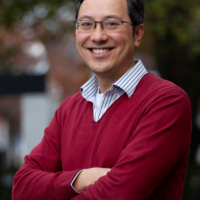
Stephan Heblich- University of Toronto
- University of Toronto
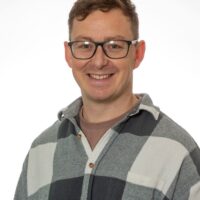
Michael Heeney- Middlesex University
- Middlesex University

Nico Hochgeschwender- University of Bremen
- University of Bremen
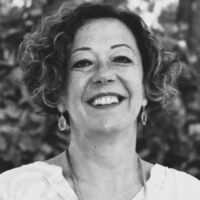
Simona Iammarino- GSSI
- GSSI
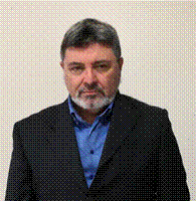
Arturo Intelisano- Thales Alenia Space Italia
- Thales Alenia Space Italia

Monika Kuffer- University of Twente
- University of Twente
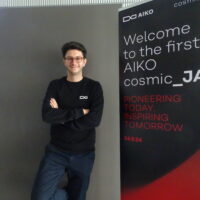
Armando La Rocca- Aiko Space
- Aiko Space
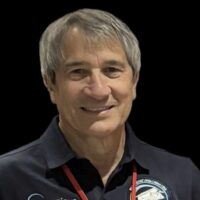
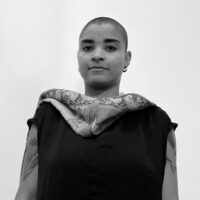
Keila Lima- GSSI
- GSSI
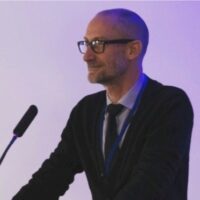
Pierre Lionnet- Eurospace
- Eurospace
Ester Maio- Thales Alenia Space Italia
- Thales Alenia Space Italia
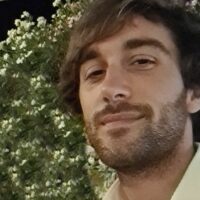
Marco Mangialardo- D-ORBIT
- D-ORBIT
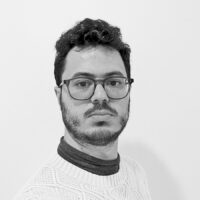
Daniele Masti- GSSI
- GSSI
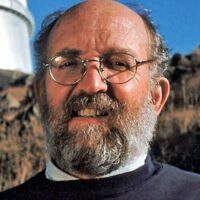
Michel Mayor- Geneva University
- Geneva University
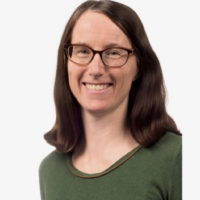
Katrin Millock- Paris School of Economics
- Paris School of Economics

Michiel N. Daams- University of Groningen
- University of Groningen
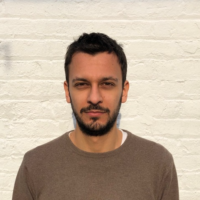
Andrea Nasuto- University of Liverpool
- University of Liverpool

Federica Paganelli- Aiko Space
- Aiko Space
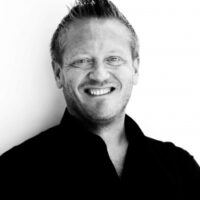
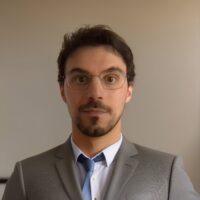
Alberto Petrucci- Thales Alenia Space Italia
- Thales Alenia Space Italia
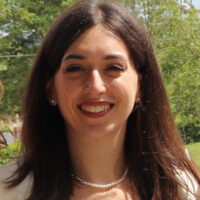
Sara Pettinari- GSSI
- GSSI
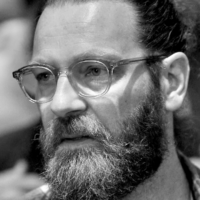
Gauthier Picard- ONERA
- ONERA
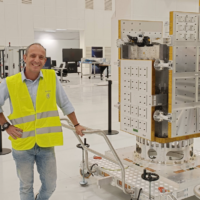
Enrico Piccinini- EGICON
- EGICON
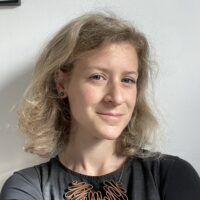
Elisabetta Pietrostefani- University of Liverpool
- University of Liverpool
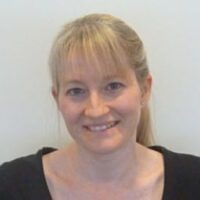
Sally Priest- Middlesex University
- Middlesex University
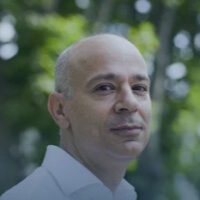
Luca Pulvirenti- Fondazione CIMA
- Fondazione CIMA
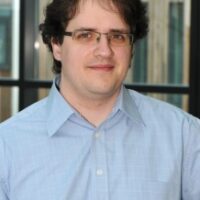
Pedro Ribeiro- University of York
- University of York
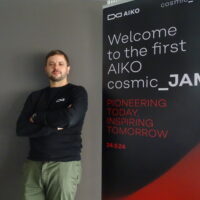
Francesco Rossi- Aiko Space
- Aiko Space
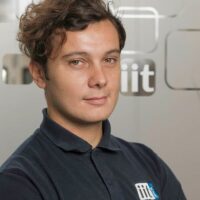
Luca Rossini- Istituto Italiano di Tecnologia (IIT)
- Istituto Italiano di Tecnologia (IIT)
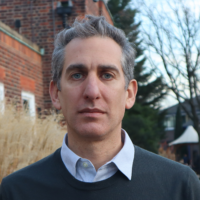
Juan Pablo Rud- Royal Holloway
- Royal Holloway
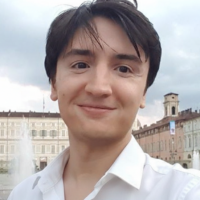
Giorgio Saffirio- Aiko Space
- Aiko Space
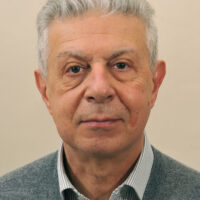
Fortunato Santucci- University of L'Aquila
- University of L'Aquila
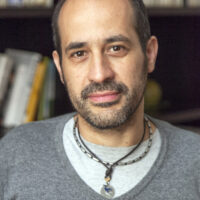
Andrea Taramelli- IUSS
- IUSS
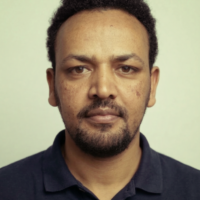
Bedru Tareke- University of Twente
- University of Twente

Dana Thomson- Columbia Univ
- Columbia Univ
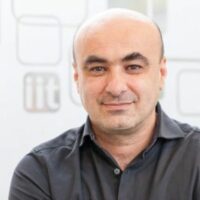
Nikos Tsagarakis- Istituto Italiano di Tecnologia (IIT)
- Istituto Italiano di Tecnologia (IIT)
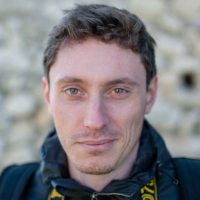
Davide Tullio- Modular Radar Systems
- Modular Radar Systems
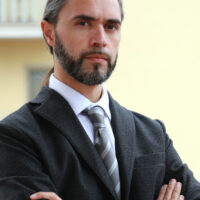
Francesco Valentini- University of L'Aquila
- University of L'Aquila
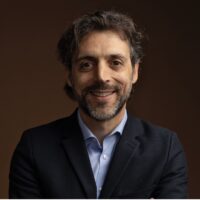
Paolo Veneri- GSSI
- GSSI
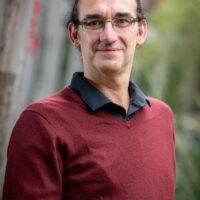
Christophe Viavattene- Middlesex University
- Middlesex University
REGISTRATION AND SCHOLARSHIPS
To attend SPACERAISE, you are required to apply using a dedicated form to upload your resume and personal information. Applicants must submit their application by January 31st, 2026. Based on review of the uploaded info, SPACERAISE will determine and communicate effective registration to successful applicants and, in selected cases, confer scholarships.
The criteria for awarding the scholarship can be found here.
Successful applicants will be able to attend all scientific sessions, social activities, and coffee breaks with no registration fee to pay. Additionally, SPACERAISE is pleased to offer a limited number of merit-based scholarships.
The scholarship is not intended to cover all travel and accommodation expenses, but rather to provide financial support to help participants with these costs, which remain their responsibility.
Important Dates
Application deadline: January 31, 2026
Notifications of acceptance, rejection, and scholarship assignment: February 12, 2026
If additional places become available, registration will reopen by the end of February. Applicants admitted after January 31 will not be eligible for the scholarship selection.
LOCATION
Auditorium - Palazzo del Rettorato, GSSI
Need directions? Find how to reach.
Looking for accommodation? Explore our recommended lodging options in L’Aquila
here.
ORGANIZERS
Scientific Coordinator
Francesco Basciani - GSSI, Computer Science
Scientific Program Committee
- Paolo Veneri - GSSI, Social Science
- Daria Denti - GSSI, Social Science
Local Organizing Committee
- Martina De Sanctis - GSSI, Computer Science
- Franco Raimondi - GSSI, Computer Science
- Adriana Carolina Pinate - GSSI, Social Science
- Kateryna Tkach - GSSI, Social Science
- Fabiano Compagnucci - GSSI, Social Science
Project Manager
Riccardo Mastropietro - GSSI




ADVERTISEMENT

Need More Information?
Have a question or need more details?
Don't hesitate to reach out to us.
Our team is ready to assist you.